All Categories
Featured
Table of Contents
Most lawns recuperate with changes in ecological conditions and proper upkeep. The very first line of defense versus yard illness is the preparation of correct soil conditions before grass seed is planted.
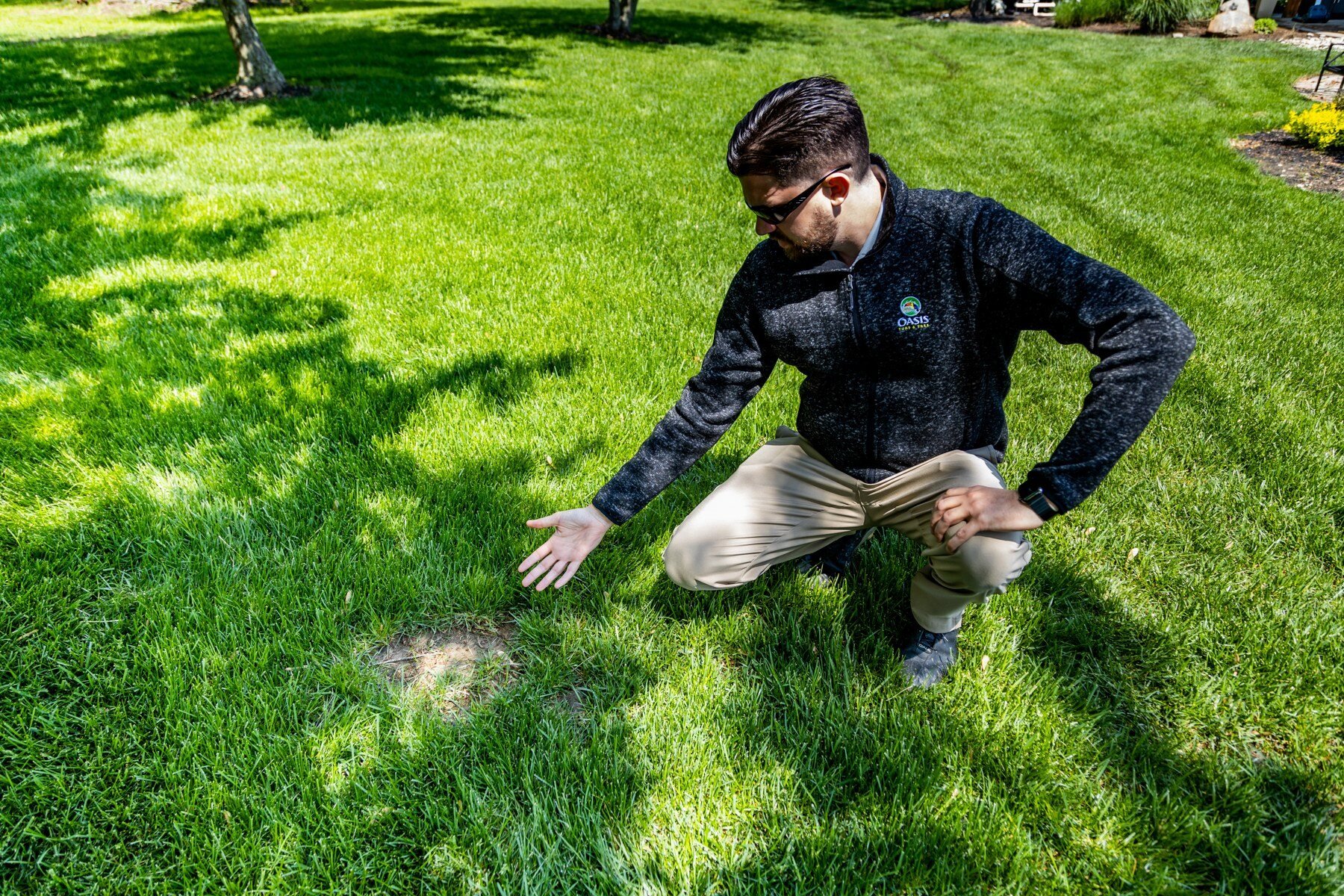
Lawn types with genetic resistance against lots of illness are offered. The 3rd line of defense is appropriate turfgrass maintenance practices that can reduce disease issues, such as mowing, watering, fertilizing and core aeration. Reduction of disease issues in recognized yards can frequently be achieved by changes in upkeep practices such as mowing, irrigation, fertilization, pruning of surrounding trees and shrubs to enhance air flow, and core aeration.
For severe lawn illness problems due to bad soil conditions or excessive thatch, restoration may be the very best solution. Illness issues related to poor grass selection can usually be remedied by restoration with brand-new illness resistant varieties. Healthy lawns include a variety of bugs and their family members, yet many people do not understand one bug from another and consider them all bad.
Numerous organisms in a yard may prey or parasitize prospective pests, while others help in decomposing natural matter in the lawn. Ground and rove beetles easily attack lawn caterpillars as well as the eggs of sod webworms and white grubs. A variety of tiny flies and wasps also parasitize lawn pests.
The Advantages of Sustainable Lawn Care Practices
A fungal disease frequently infects chinch bugs, sod webworms, and billbugs, particularly in wet seasons and can eliminate a population. The most essential practices to lower insect bugs in lawns are appropriate turfgrass types and cultivar selection, thatch management, appropriate mowing and irrigation. Numerous cultivars of seasonal ryegrass, turf-type high fescue and great fescue consist of cooperative fungis called endophytes.
If a new lawn is to be developed or remodelling is due, consider selecting an endophyte-enhanced turfgrass. Higher trimming heights often shade sun-loving chinch bugs or billbugs, as well as raise humidity so that insect illness may end up being common.
Short sections follow on each bug bug, but more thorough details concerning recognition and life cycles can be found in Ohio State University Extension truth sheets, which are referenced at the end of this sheet.
This is the very best thing you can do for your soil. Great, tested garden compost has plenty of beneficial biology and organic matter. If your soil is poor and compacted, core aerate initially, spread seed, and leading gown with compost. Garden compost is hard to spread out, however the outcomes are extraordinary. Compost tea is much easier to use and has plenty of biology, however it is not readily available to the property owner at today time.
Effective Organic Fertilizer Alternatives for Your Lawn
Open Daily, Monday - Sunday, 9a-6p
Fundamental yard care will still be applicable, such as cutting at the proper height, fertilizing, and seeding. To better understand how you can care for your lawn organically, here are 6 ideas.
Scalping weakens the roots by rejecting them enough solar power from the blades of turf above. This makes the turf susceptible to tension, bugs, and illness. Scalping also promotes weed growth. Weeds complete for the nutrients in your lawn soil, which indicates less nutrition for your yard. Cutting higher encourages a more extensive root system for your turf.
A taller lawn also offers broadleaf weed and crabgrass control by shading more soil surface area. Mowing greater develops a grub-tolerant yard as root volume grows. Another tip for natural yard care is to leave your yard clippings behind. Clippings work as a natural fertilizer when they begin to decompose.
Your grass clippings include nitrogen, potassium, and phosphorous (NPK), the same chemicals you'll discover in bagged fertilizers. The phosphorus and potassium aid form new roots, battle diseases, encourage development, and make the lawn stems strong. The decay of the grass clippings also serves as a food source for bacteria in the soil, which creates a healthy turf environment.

Latest Posts
What To Know Before You Commit To An Amsterdam Love Mentor
Unlocking Ground Potential With Natural Additives
Advanced Agronomic Methods for Thicker Grass Growth