All Categories
Featured
Table of Contents
Your soil structure plays an important function in the success of your yard and oftentimes some enhancement work is required to get the most out of it. But firstly let's have a look at what makes up a soil so that you can get a better understanding of how all of it works and why it is necessary to bring out any improvements rather than just bunging down a couple of rolls of turf and after that questioning why it's not performing to its best.
These are;, which is made up of disintegrating plants and animals. This improves the structure and likewise supplies necessary nutrients to plants and lawns., which are originated from rocks broken down by weathering. These likewise provide necessary nutrients., that exists in pockets among the soil particles, which supplies oxygen and likewise helps water to penetrate and drain rapidly.
which range from micro-organisms, some of which assistance root development, to earthworms, which enhance soil structure by creating air areas and breaking down raw material. Soils differ a lot because they have different percentages of these components organized in various methods, and this in turn impacts the way they act.
Organic Choices to Synthetic FertilizerStrategic Turf Restoration Secrets for Success
To evaluate your soil, you require to have a great take a look at it. Dig some up and feel it in your hand. Make a note of what colour it is, and how the colour changes with depth. Now bring out a 'ribbon' test to discover what sort and size of particles your soil consists of sand, silt or clay and in what proportion.
Sandy particles are course and easy to fell, while the smoother particles are clay, silt and humus. If it contains a fair proportion of clay and humus this ought to be simple, but if it contains a lot of sand it will keep breaking up.
The more clay it consists of, the longer the ribbon will get and the more plastic it will feel to the touch. Soil ribbons can vary in length from about 5mm 75mm, with sandy soils being quickest, fertile soils in the middle and clay soils the longest. While soils which contain a lot of clay or sand may need work to improve them, fertile soils are normally ideal.
Ensuring Lawn Health Through Proper Maintenance Habits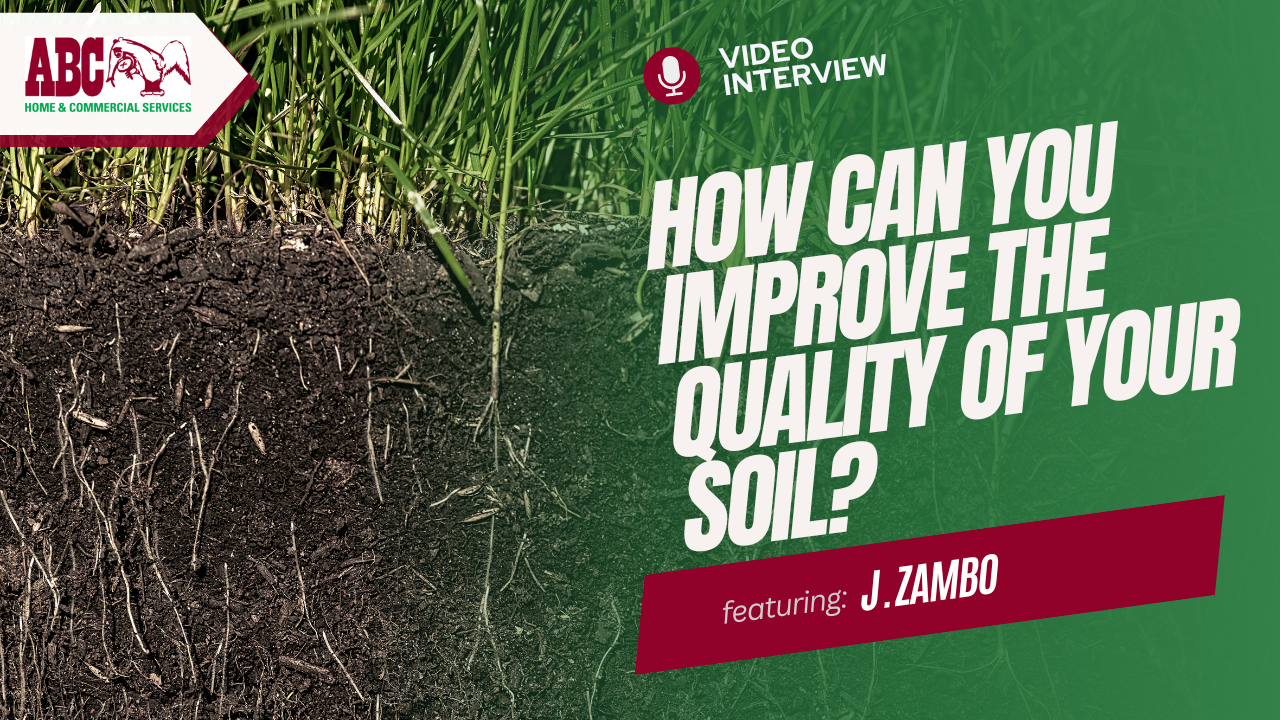
How to Enhance Lawn Soil QualityStrategic Lawn Renovation Secrets for Density
This connects to how the various soil particles are arranged, the aggregates (clumps) they form and the areas between them. Well-structured soils will have aggregates firmly bound together, which will assist preserve the structure when the soil is damp, but at the same time be loose enough for roots to move through easily looking for water and nutrients.
Improperly structured soils are typically difficult and compacted, do not accept water easily, have couple of air areas and are subject to erosion. In simple terms they're bad news for you and your lawn and require to be enhanced. Your soil's pH is another crucial aspect, however one that is often overlooked in the eagerness to get your yard down, however it can significantly affect nutrient consumption and so your yard's health and look, so testing your soil's pH and making any changes plays an essential function in your soil preparation stage and is best done before you lay your new lawn.
For general gardening and yard functions you can't beat a loam soil, it's got all the good gear and the right structure. If you are lucky enough to have such a soil you won't need to do much soil enhancement work at all, possibly simply a touch of fluffing here and there, and fine tuning of the levels.
Preferably you require around 150mm of excellent soil for a successful yard, at a stretch you might get away with 100mm, but getting away with it is one thing, an excellent yard is another, so sometimes you will require to generate some brand-new soil. 'Turf underlay' soil blends are specialist soils cost good landscape suppliers and some nurseries, consisting of around 80% sand, and 20% black soil.
Eco-Friendly Methods for a Healthy LawnStrategic Turf Renovation Secrets for Success
At the exact same time, they are easy to spread therefore best for great tuning the levels before laying the turf. Even if you have a good soil, a thin layer of turf underlay truly assists to get whatever area on. If your soil is quite regular and/or you need to develop your levels, then this is the soil mix to order.

Water drains quickly from sandy soils, which is excellent in some methods as you are unlikely to have any drain issues, nevertheless as the water drains it takes necessary nutrients with it. Sandy soils also dry out rapidly due to their open, free draining pipes structure and can end up being hydrophobic (water repellent).

Latest Posts
What To Know Before You Commit To An Amsterdam Love Mentor
Unlocking Ground Potential With Natural Additives
Advanced Agronomic Methods for Thicker Grass Growth