All Categories
Featured
Before diving into the renovation procedure, it's crucial to conduct a comprehensive evaluation of your yard's existing condition. Walk through your backyard and remember of areas that might require attention. Search for indications of wear and tear, such as bare spots, uneven development, or the presence of weeds. Comprehending the existing problems will help customize your renovation plan to resolve specific requirements.
Recognizing the kinds of weeds present will direct your weed control strategy during remodelling. Bare patches: Find locations where the lawn is sporadic or missing. These patches might result from heavy foot traffic, family pet activities, or illness. Compacted soil: Soil compaction hinders root growth and water absorption. Determine locations where the soil feels difficult and compressed.
To produce a tailored plan for your lawn's dietary needs, conduct a soil test. Comprehending the soil structure helps identify the best fertilizers and modifications required for optimal plant development.
Eco-Friendly Fertilizer Substitutes for Greener Turf
Whether it's improving the general appearance, resolving specific problems like bare spots, or improving the lawn's resilience, clear objectives will guide your restoration strategy. Consider how your renovation can contribute to your yard's long-term health and sustainability.
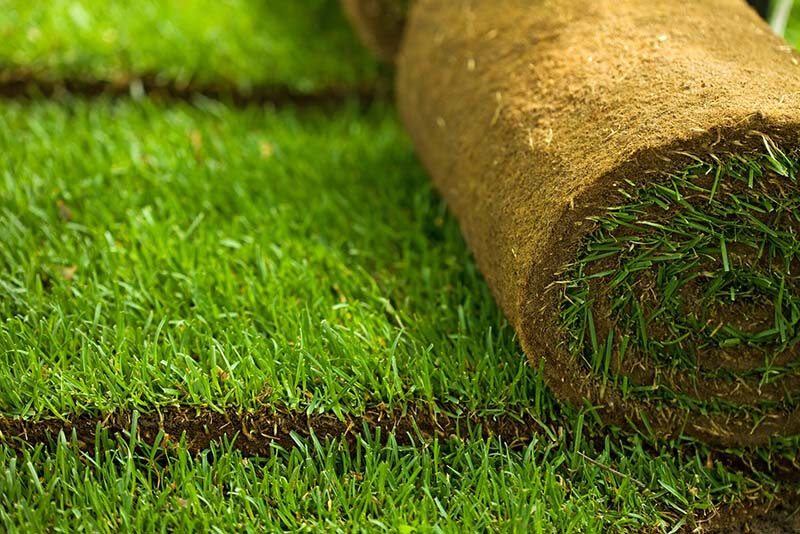
Think about the expenses connected with acquiring quality grass seeds or sod, fertilizers, soil modifications, and any needed devices like aerators or spreaders. Additionally, consider the potential expenditure of expert services or specialized tools if your project warrants them. While it might be appealing to cut corners to lessen costs, purchasing top quality seeds, fertilizers, and soil amendments is vital for the long-lasting success of your lawn.
Beyond the instant expenditures, also ponder the long-term cost savings that a successful renovation can bring. A well-maintained yard often requires less maintenance and restorative measures over time, potentially reducing future costs. Research study local ranges: Different grass varieties flourish in specific climates. Research grass types well-suited to your region, thinking about elements like temperature, sunlight, and soil conditions.

Latest Posts
What To Know Before You Commit To An Amsterdam Love Mentor
Unlocking Ground Potential With Natural Additives
Advanced Agronomic Methods for Thicker Grass Growth