All Categories
Featured
is the ultimate way to transform a worn out, irregular lawn into a lush, green work of art. Whether you're dealing with weeds, bare areas, or compressed soil, resets your turf and gives it the best opportunity to thrive. This step-by-step restoration guide will take you through whatever you need to know for a successful lawn renovation, tailored to Australian conditions.
Nutrient Cycling for Improved Winter HardinessA lawn remodelling improves soil health, promotes energetic growth, and restores your lawn's capability to resist pests and diseases. Renovation is a process that provides long-lasting results if done properly. Key advantages of a full lawn remodelling: Removes thatch and compaction Levels uneven locations for a smoother surface Encourages strong root development Assists warm-season and cool-season grasses spread out more successfully Spring and early fall are the best times to refurbish your yard in Australia.
Before beginning, inspect your lawn to comprehend what it requires for renovation: Thatch Level: Is there more than 1 cm of spongy layer? Compaction: Does water swimming pool or run? Weeds: Are invasive lawns or broadleaf weeds taking control of? Protection: Are there big bare spots that require renovation? Grass-Type Guidance: Couch/Kikuyu: Assess aggressively growing locations that might need more dethatching throughout remodelling.
Zoysia: Inspect for thatch, as this yard type is susceptible to buildup and requires cautious renovation. Ryegrass/Fescue: Analyze for irregular growth as these cool-season grasses might require overseeding throughout restoration. This evaluation will help you tailor your plan for the very best results. If weeds are a problem, use a suitable herbicide 714 days before beginning restoration.
Pre-emergent herbicides like Barricade and Spartan are likewise a great option at this phase to avoid new weeds from sprouting, however avoid using them if you plan to overseed as they will stop the new seed from establishing during restoration. Applying Acelepryn alongside a pre-emergent is a choice as it requires one spray application and one watering cycle. Zoysia: Use lower rates of herbicide to prevent damage. Ryegrass/Fescue: Avoid pre-emergents if overseeding with these cool-season turfs.
Complete Manual for DIY Turf Renovation
Bag clippings to avoid smothering Scalping enables sunshine to reach the soil and promotes brand-new growth as part of the renovation process. Grass-Type Recommendations: Couch/Kikuyu: Can be scalped aggressively down to the dirt to promote strong lateral growth. Buffalo: Do NOT scalp as low; leave more leaf as buffalo stores energy in its stolons and can struggle to recover if scalped too brief.
Ryegrass/Fescue: These cool-season yards are more tolerant than you would believe. Get rid of debris and dispose of it effectively Don't overdo it, leave some healthy turf behind to recover as part of the renovation procedure.
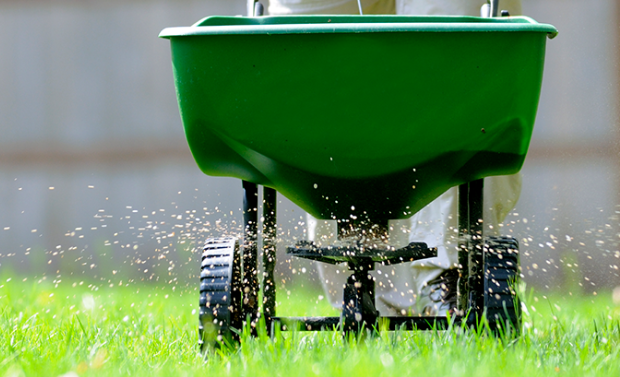
Buffalo: Be gentle; buffalo has above-ground stolons that can be harmed. Zoysia: Scarify and provide lots of healing time. Ryegrass/Fescue: Scarifying can be beneficial, but isn't needed as typically. Rye can take a much deeper scarify than fescue. Aerate your yard to eliminate soil compaction and enhance water and nutrient penetration as part of renovation.
Focus on high-traffic locations You can either collect or leave the soil cores on the surface; they'll break down naturally throughout restoration. Ryegrass/Fescue: Aeration helps improve drainage and reduce compaction for cool-season lawns.
Nutrient Cycling for Improved Winter HardinessUtilize a yard level tool to spread the sand equally Use 510 mm of product and work it into the surface until grass suggestions are visible during restoration. Grass-Type Suggestions: Couch/Kikuyu: Will grow through topdressing easily.
DIY Steps for Rejuvenating Old Lawns
If your yard is sparse or has bare locations, overseed with a compatible seed type as part of renovation. Water gently and regularly till germination For warm-season grasses, sprigging can also assist fill in spaces rapidly during remodelling.
Ryegrass/Fescue: Overseeding is ideal in fall to thicken these yards for winter season. Water lightly and frequently for the first 23 weeks to keep the surface area moist. As the yard starts to develop, transition to to encourage deeper root growth.

Latest Posts
What To Know Before You Commit To An Amsterdam Love Mentor
Unlocking Ground Potential With Natural Additives
Advanced Agronomic Methods for Thicker Grass Growth